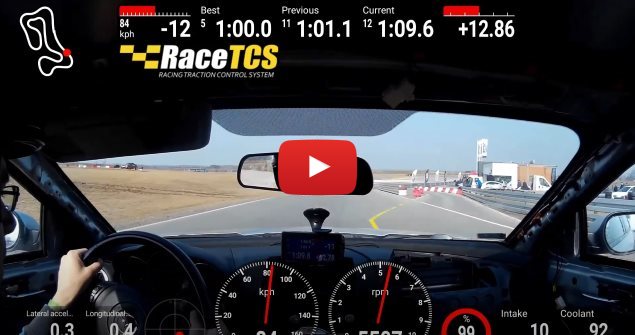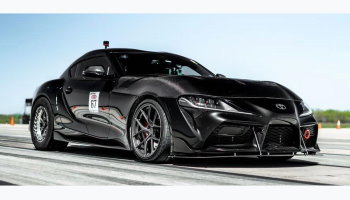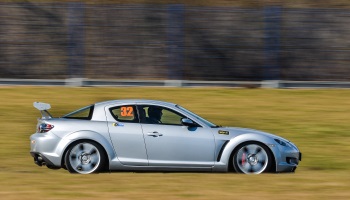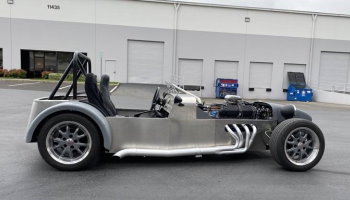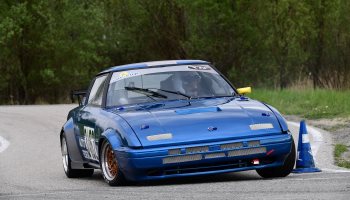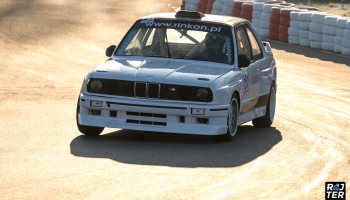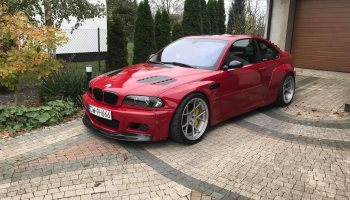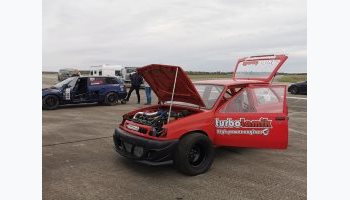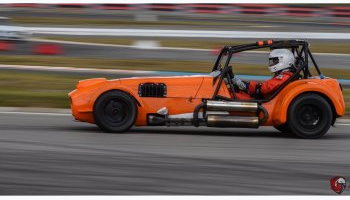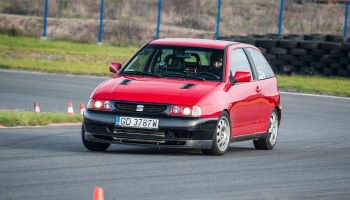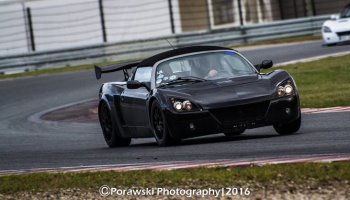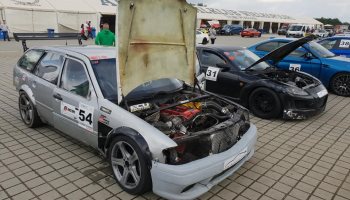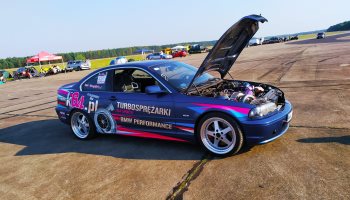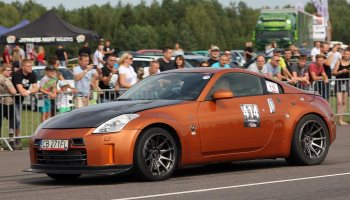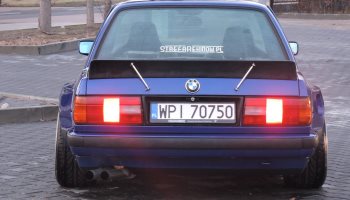
RaceTCS is a wheel speed-based traction control system. It can be added to almost any car equipped with petrol engine. It is used with success in drag racing, circuit track racing, autocross, sprint car racing, dirt track racing and other disciplines.
To extract maximum performance from the tire, you have to maintain tire slip in a narrow range. RaceTCS can do this and as a result will make your car faster in straight line or out of a corner. It will let you use maximum available traction for acceleration in all conditions.

Use maximum traction while accelerating. Human reaction times and throttle inputs are measured in tenths of a second. Electronics can react in a fraction of a millisecond—this is where the secret lies.
There is no fun in driving over an ice patch or a wet kerb in RWD car. If your hands are quick enough, you can recover from a spin. If not - you crash. RaceTCS will help you limit engine torque and reduce slip, giving you more time for reaction.

If you are a beginner driver, you will most certainly fear using the full potential of your car. The risk is highest in RWD cars, where too much power might result in a side crash. Adjust the maximum allowed slip to your liking, so that you can enjoy the loss of traction, but always have a guardian in case you go too far.
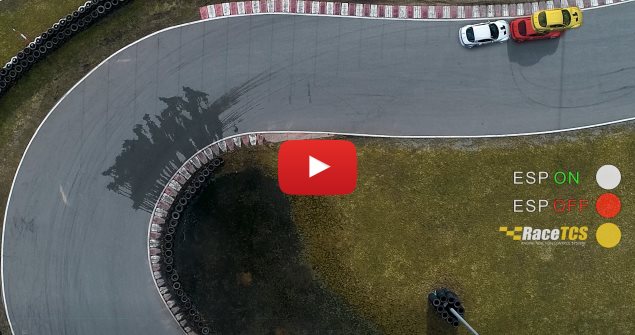
RaceTCS uses input from wheel speed sensors (usually used by ABS) and controls single injection pulses of fuel injectors or ignition coils. When it detects a slip condition and the slip exceeds the user-set target, it cuts the signal to the fuel injector or ignition coil. The pulse is cut completely, so either all fuel is injected or none at all. Because fuel injection/spark happens every few milliseconds (depending on engine RPM and number of cylinders), it reacts very quickly. You can barely feel it working when you hear the change in engine exhaust sound.
It has been proven to work over the years on drag strips and race tracks in cars with as little as 100hp and exceeding 1000hp engine output. RaceTCS can be used with carburetted, port fuel injected or direct injection engines.
If your ECU is capable of torque reduction based on external input, RaceTCS outputs 0-5V signal to request torque reduction. This can give more precise control of how and when torque is reduced.
| Feature | Stock TCS | RaceTCS |
|---|---|---|
| Control Method | Throttle & brakes | Direct fuel/ignition control |
| Response Time | Slow | Milliseconds |
| Precision | Aggressive intervention | Smooth, adjustable control |
| Primary Purpose | Safety only | Performance + safety |
In contrast to the stock traction control system in modern cars, which are using throttle and brakes to limit torque delivered to the wheels, RaceTCS with its control of fuel injectors can be much quicker and more precise. In addition, most stock traction control systems intervene very hard, making it very unpleasant to drive on the limit. Stock systems are not about performance, but safety. RaceTCS is about performance and safety.
RaceTCS effect can be compared to modern ABS system. Human controls brake pressure for all wheels. Without ABS system, the pressure has to be reduced if one of the wheels locks up - otherwise you will burn the tire and the car will pull to one side. Modulating the pressure by foot is slow, inaccurate and unless you are F1 driver, it will result in sub optimal braking distance. The same principle applies to acceleration. When you lose traction, you lift off the gas, wait a moment until slip stops, then accelerate again. The process is very slow. RaceTCS keeps wheel spin in user selectable range, so you can extract maximum acceleration force from the tires.
You can order via a webshop
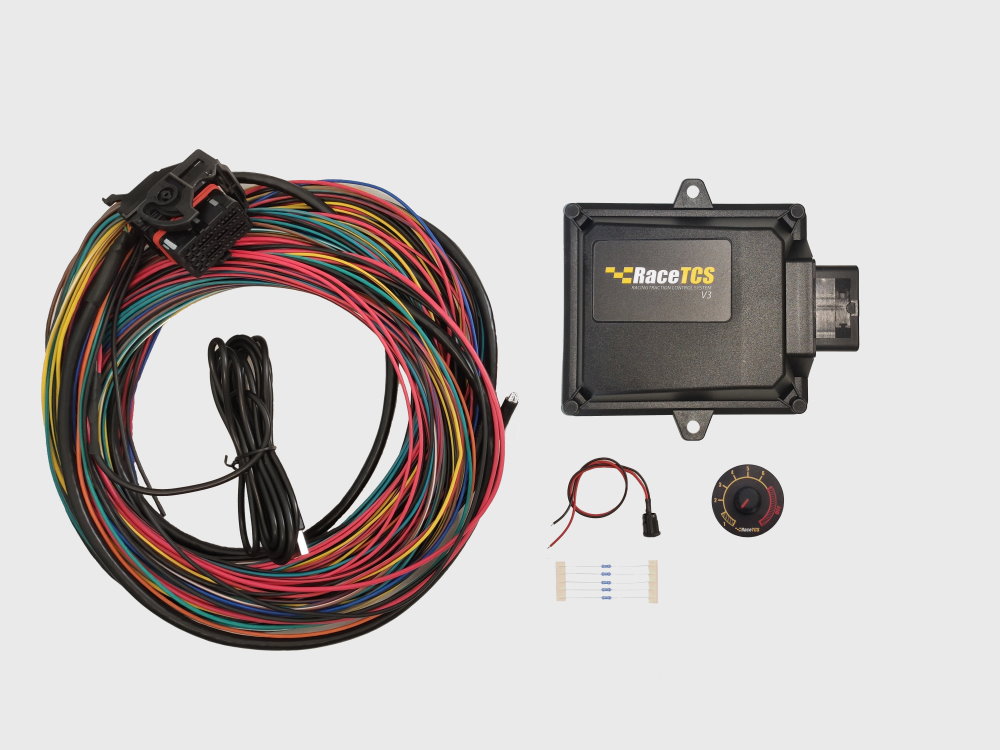
RaceTCS V3 package contains RaceTCS device, wiring harness with connector, preset selection potentiometer and plate, indication LED, 100R resistors.
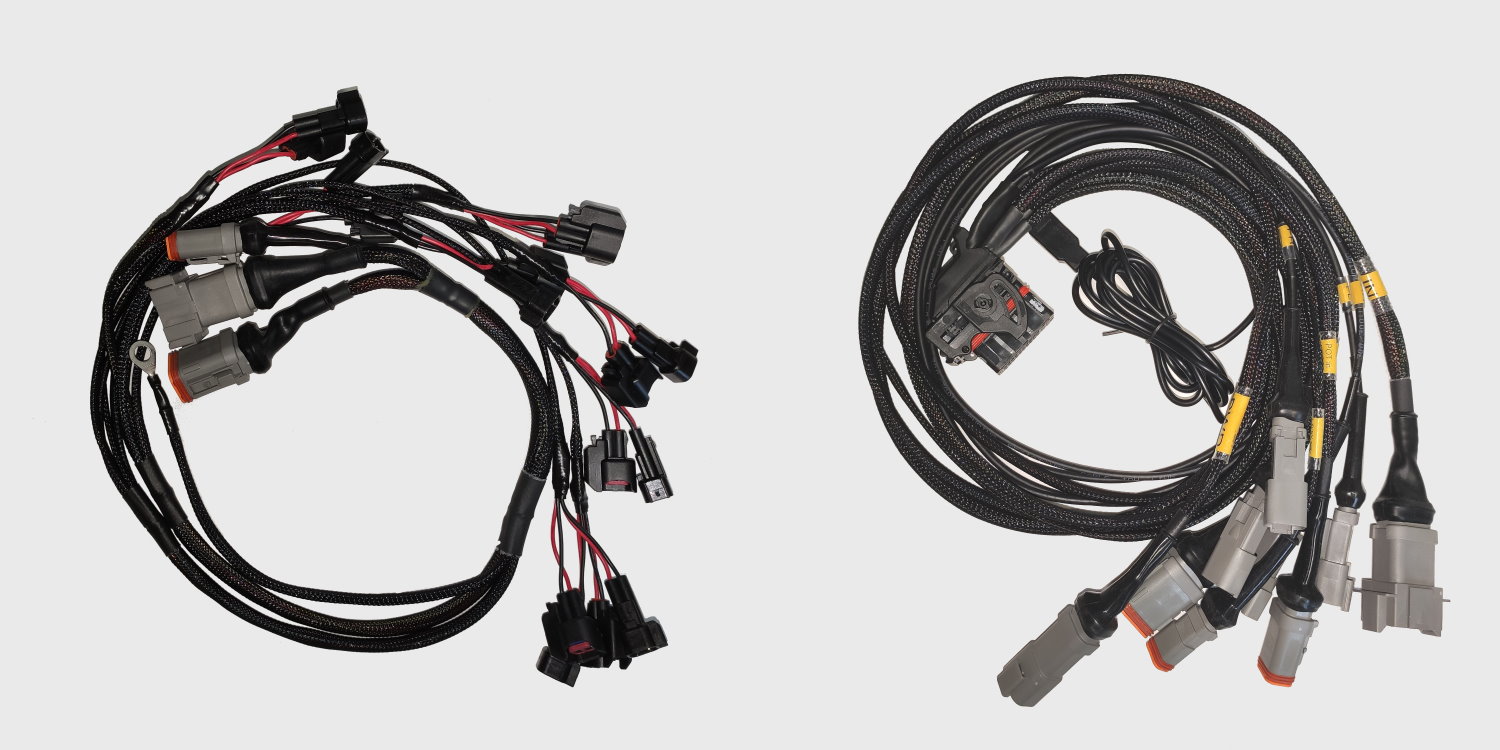
We offer complete plug and play harnesses for specific car models. Please contact us for availability and pricing.
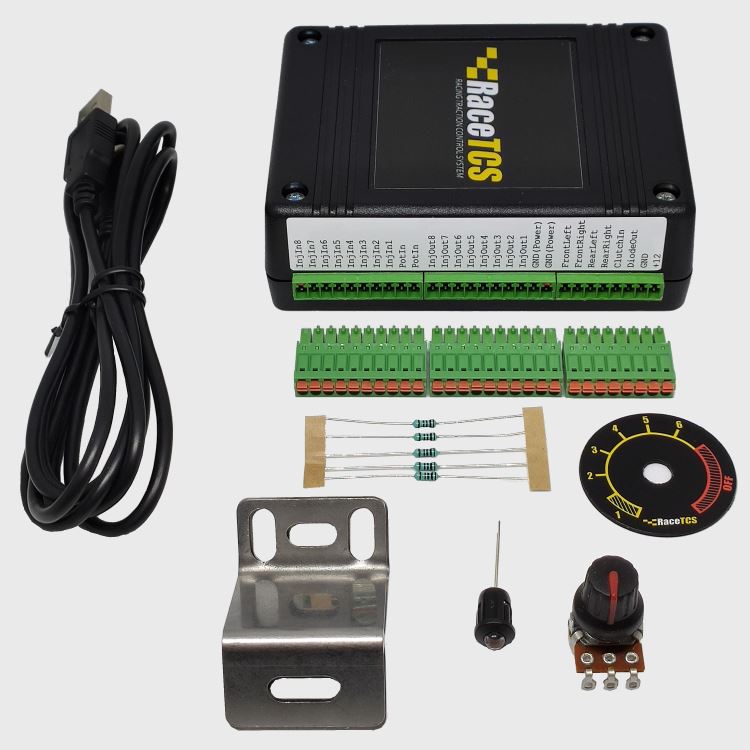
RaceTCS V2 package contains RaceTCS device, connectors, USB cable, preset selection potentiometer and plate, indication LED, 100R resistors, mounting brackets.
List of recommended workshops will be growing with time. We recommend: